

The Federal Government has announced plans to discontinue the policy separating Junior Secondary Schools (JSS) from Senior Secondary Schools (SSS), citing its failure to improve access to education and its contribution to the growing number of out-of-school children.
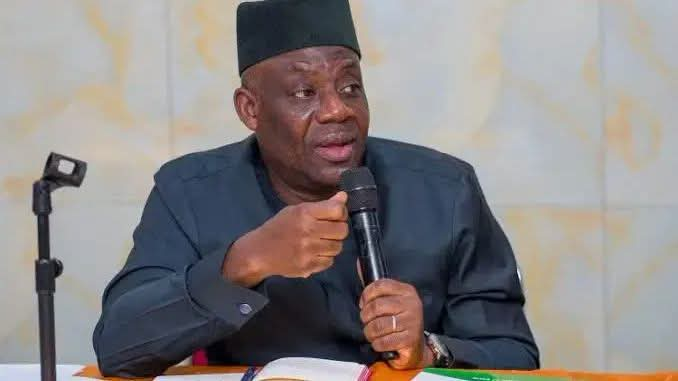
Minister of Education, Dr. Tunji Alausa, disclosed this on Tuesday in Abuja during the inauguration of the Universal Basic Education Commission (UBEC) Ministerial Implementation and Monitoring Committee.
According to the minister, more than 20 million pupils have dropped out between primary school and junior secondary school, a development he attributed partly to the shortcomings of the current structure.
“We have 20 million dropouts from primary school to JSS. Where are those students? We also found we have about 80,000 public primary schools and only about 15,000 junior secondary schools. That’s a one-to-eight ratio,” Alausa said.
He explained that the imbalance has resulted in overcrowding in junior secondary schools while many senior secondary school facilities remain underutilised, particularly in Kaduna State and other northern parts of the country.
Describing the arrangement as a failed policy, the minister said the government would begin the process of phasing it out in the interest of improving educational access and outcomes.
“This disarticulation policy has failed. We will phase it out. We can’t be creating positions because we want to create a director-level position for people while we harm our education system. It’s about doing what is best for every Nigerian child,” he stated.
Alausa further revealed that the proposal to abolish the policy will be presented at the next meeting of the National Council on Education for consideration and approval.
The move is expected to streamline the transition from junior to senior secondary education and address infrastructure gaps that have contributed to Nigeria’s rising number of out-of-school children.

